With the holiday season approaching, me and my film photography students will soon be hosting our annual Photography Club Galleria at the school in December. The galleria is the culminating event (in addition to a trip to the Florida Museum of Photographic Arts [FMoPA] and a screening of Vivian Maier) to the students’ learning in my after-school club. More about that in a future post, though. I plan on covering the actual galleria after it happens in December.
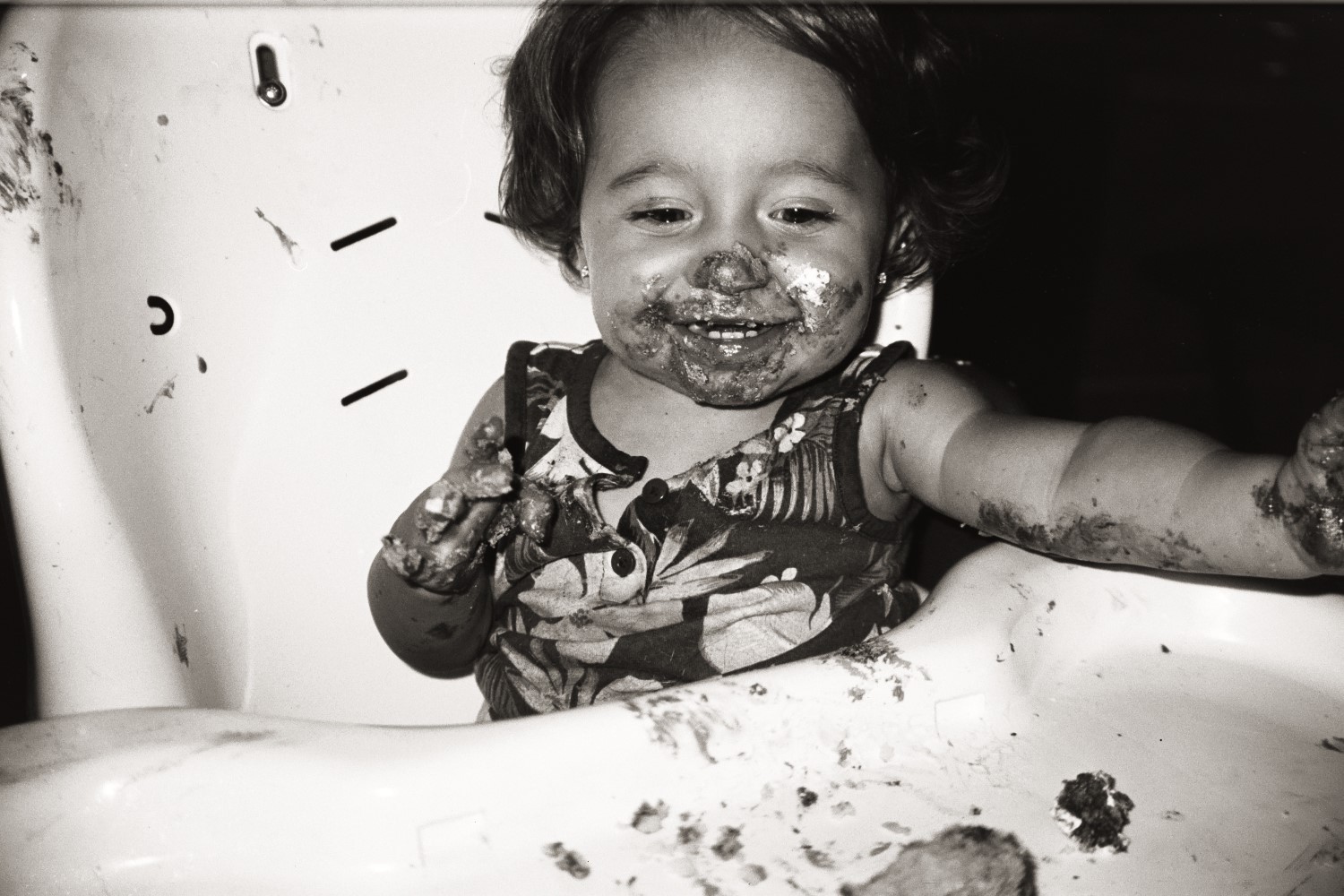
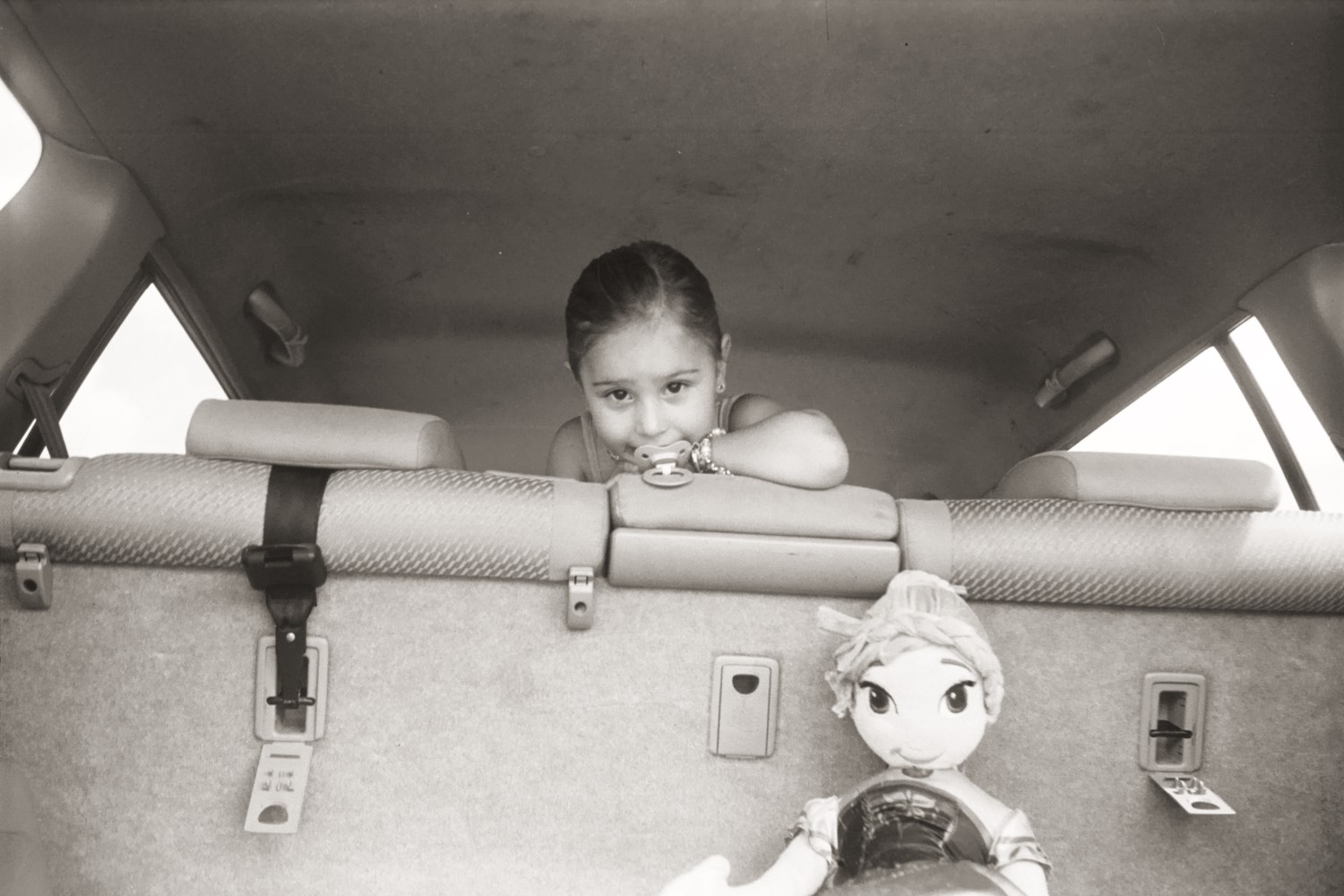
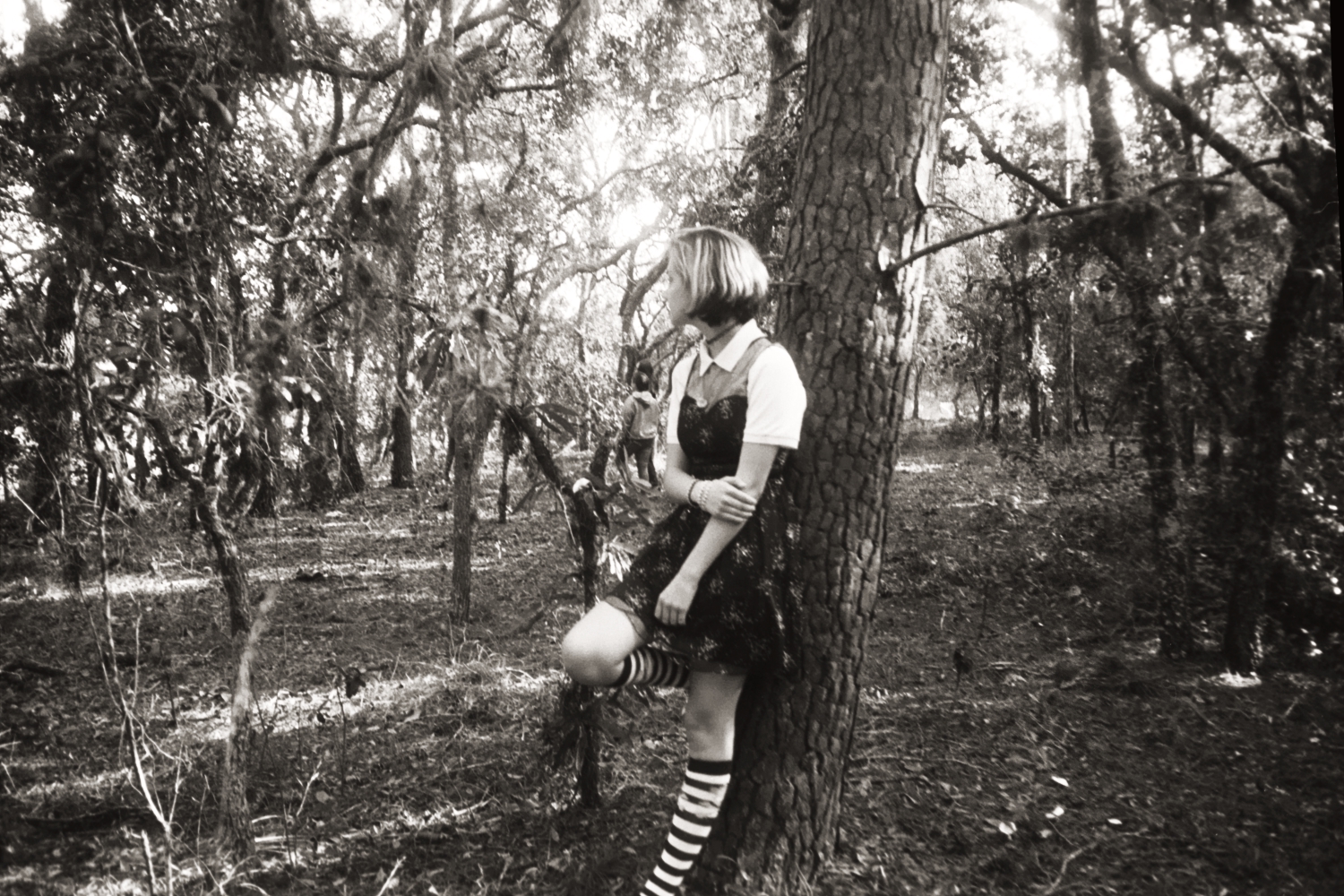
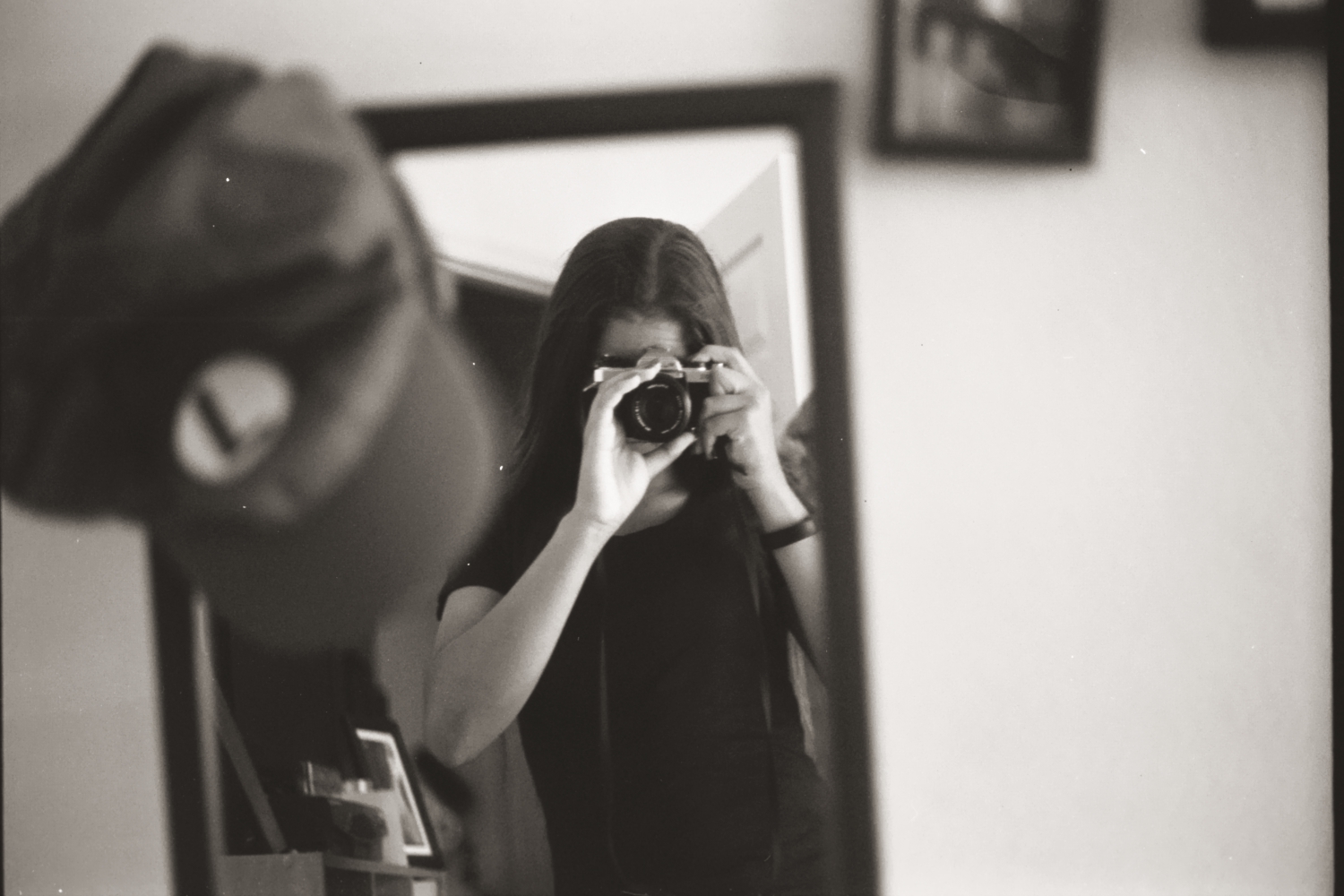
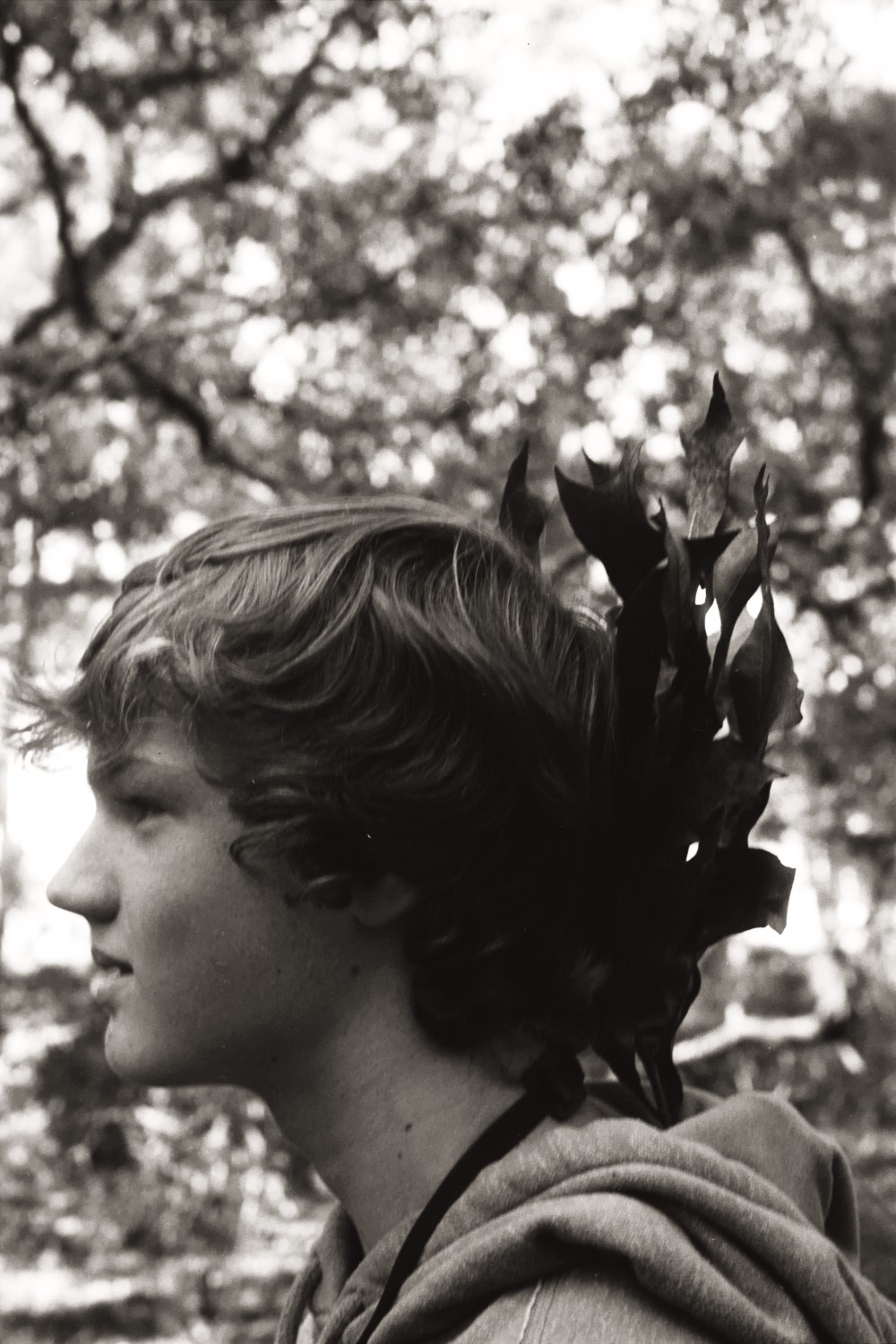
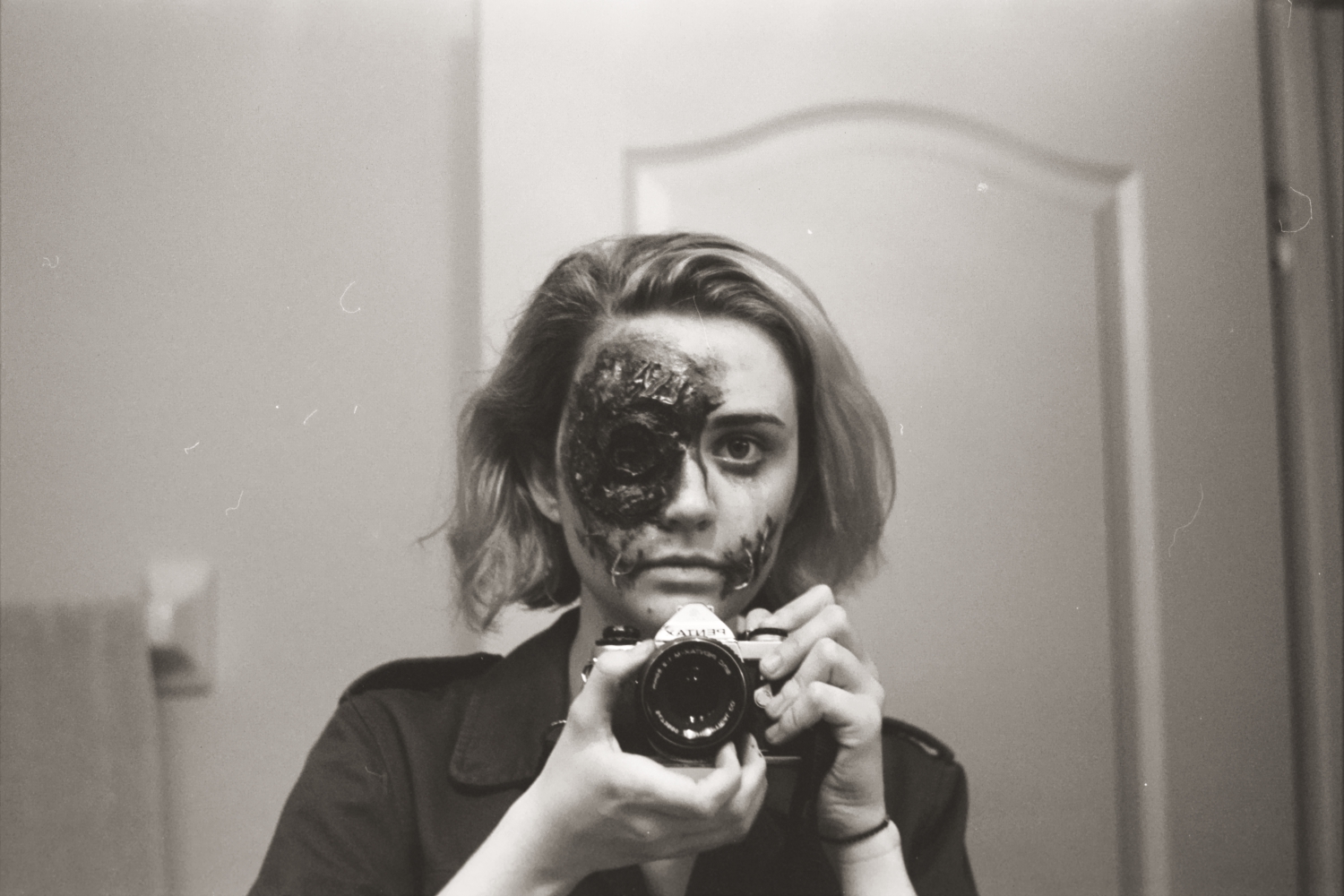
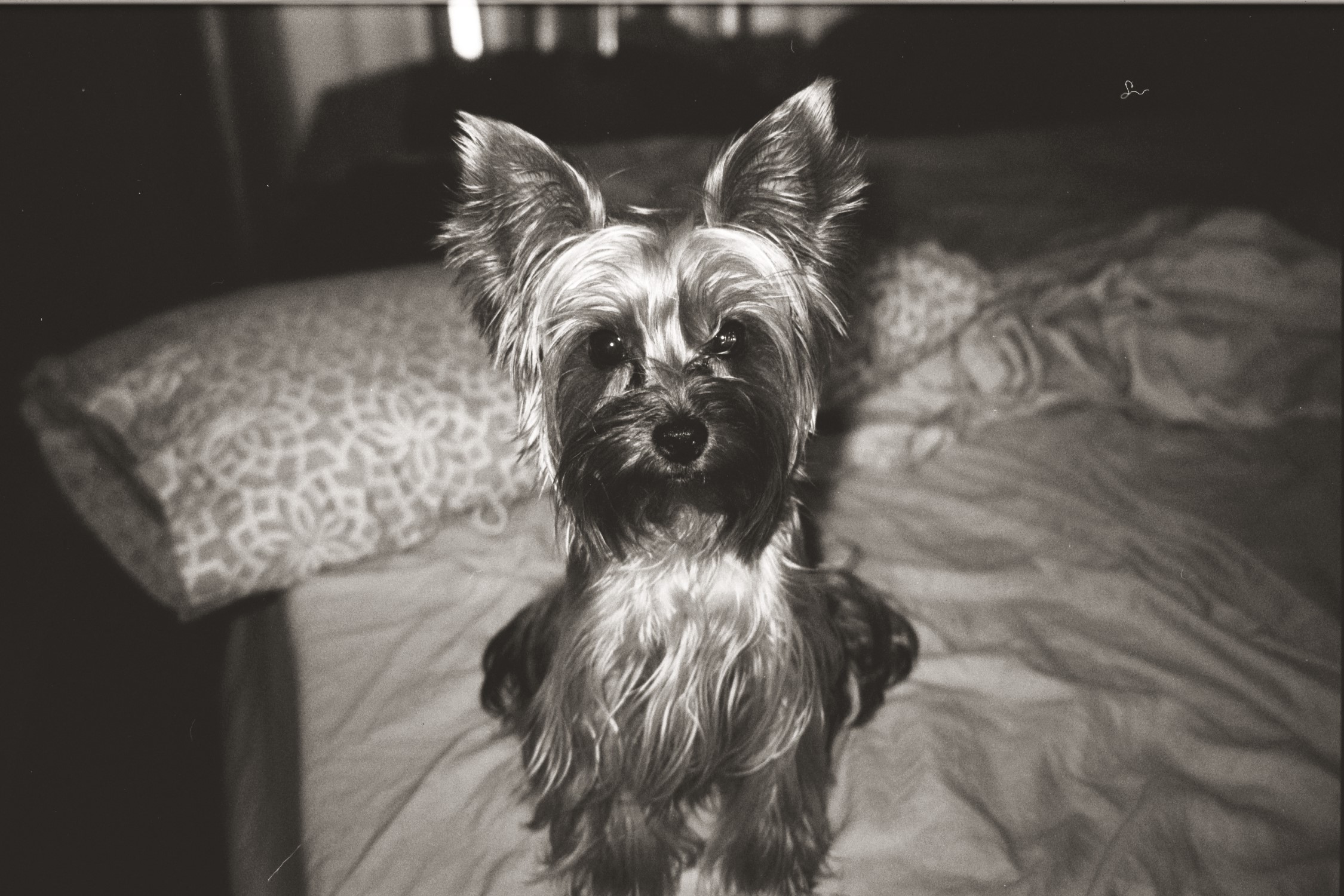
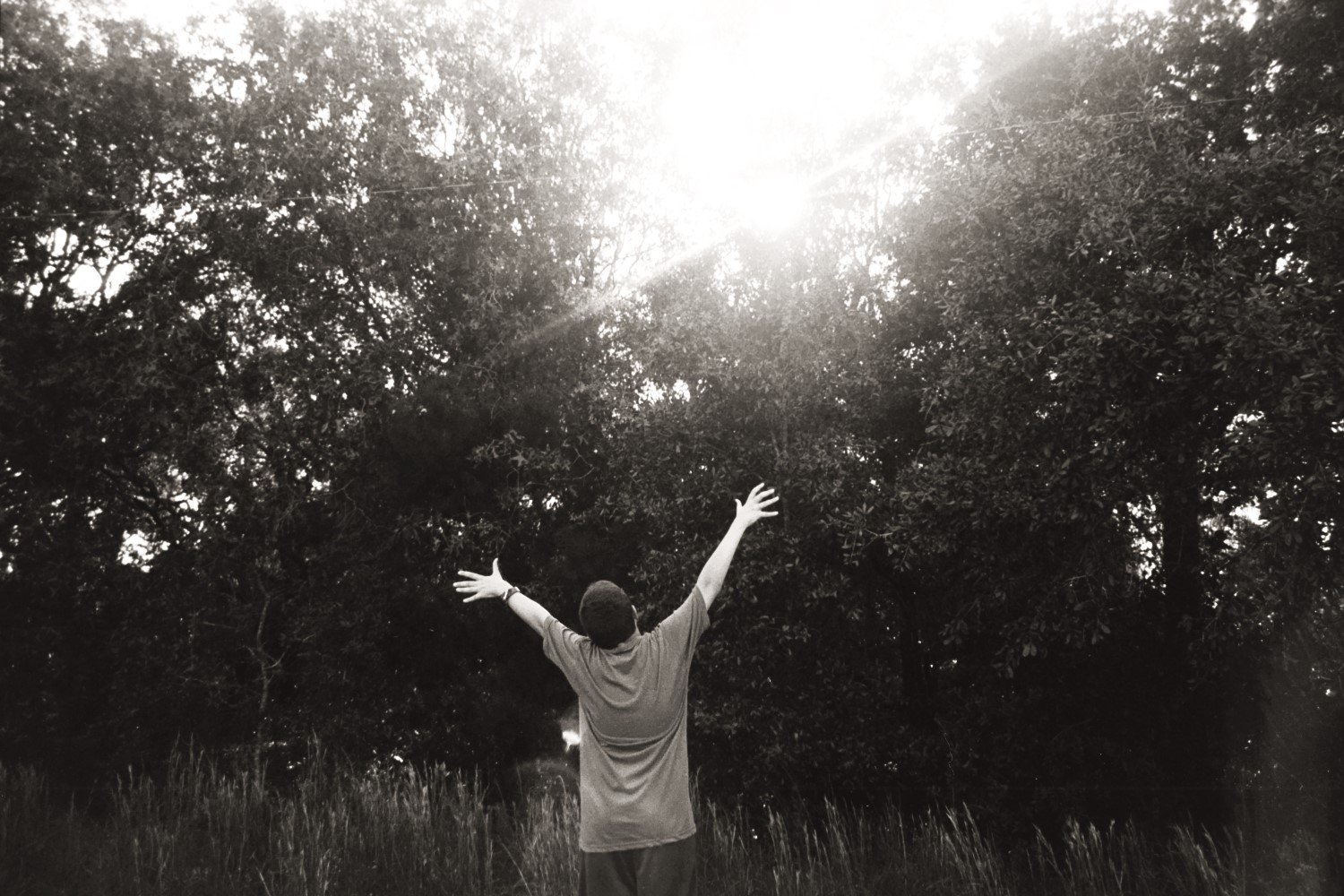
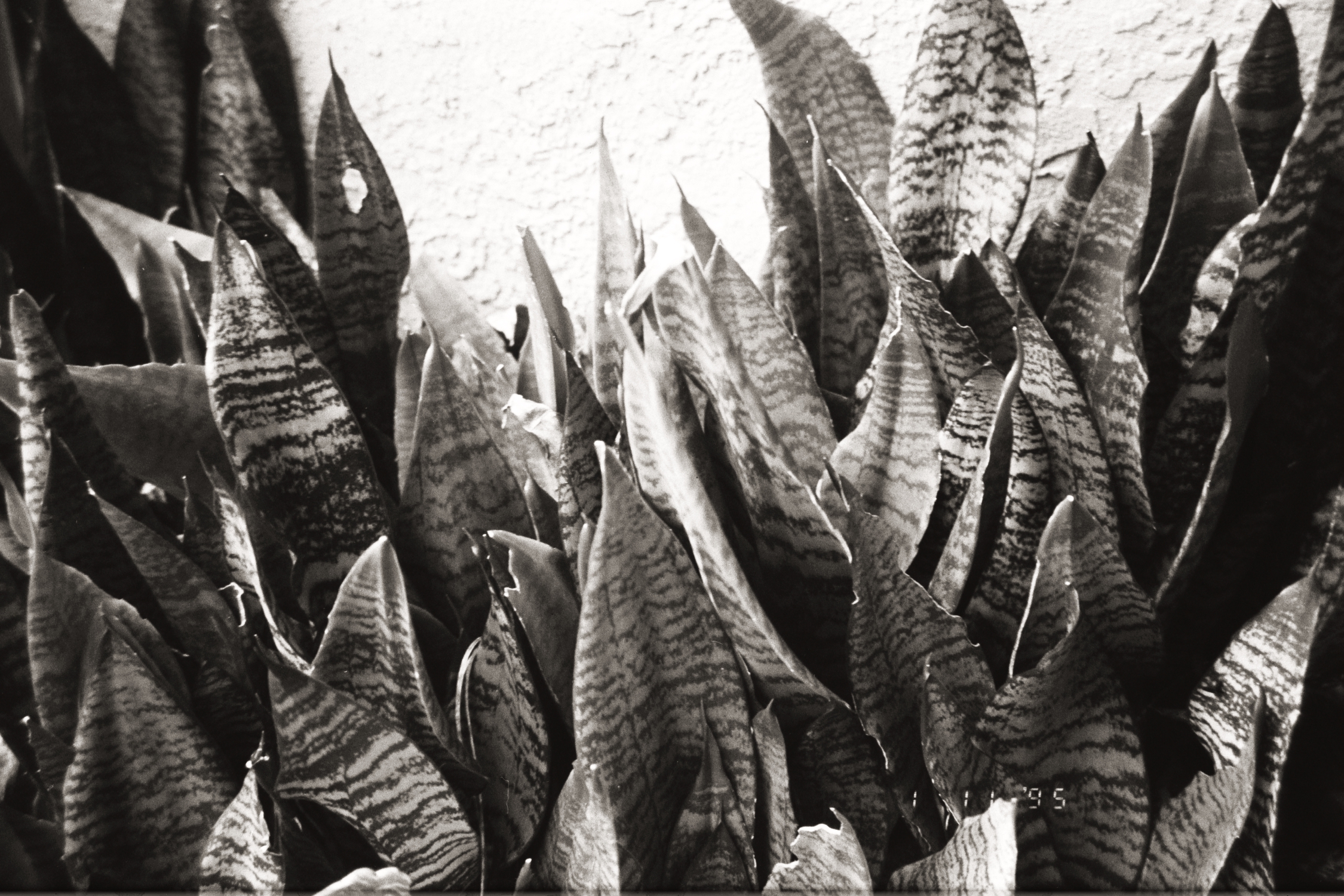
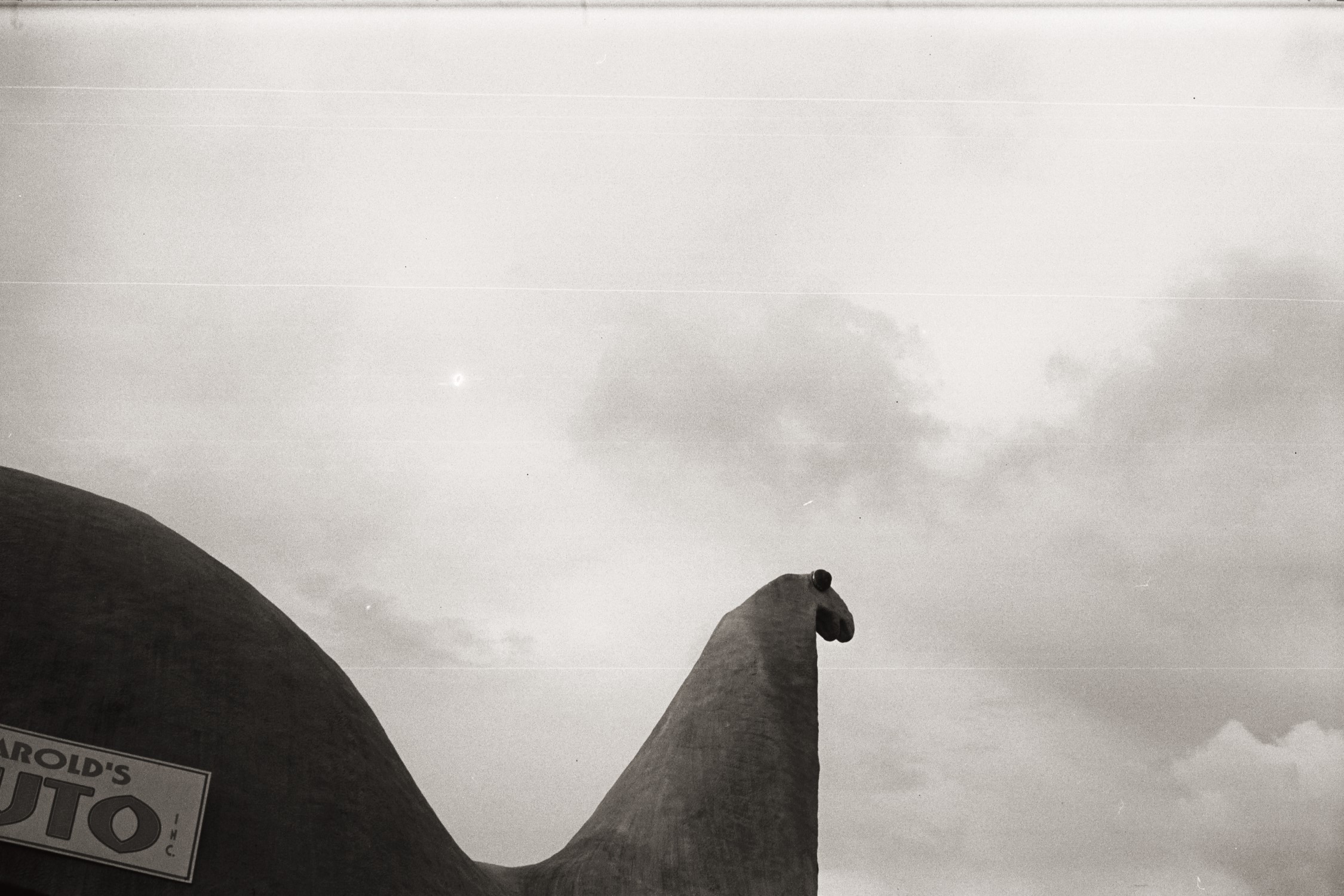
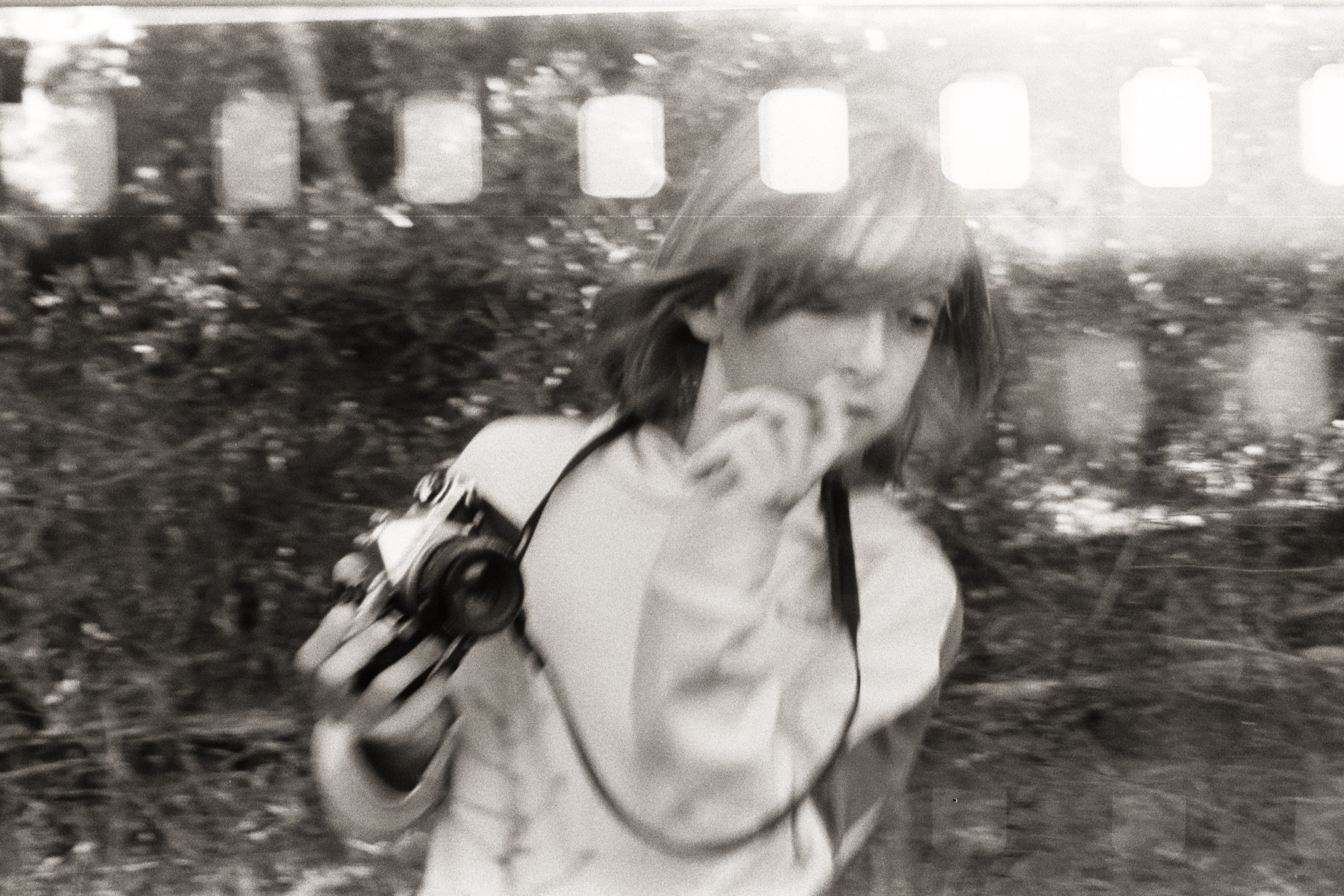
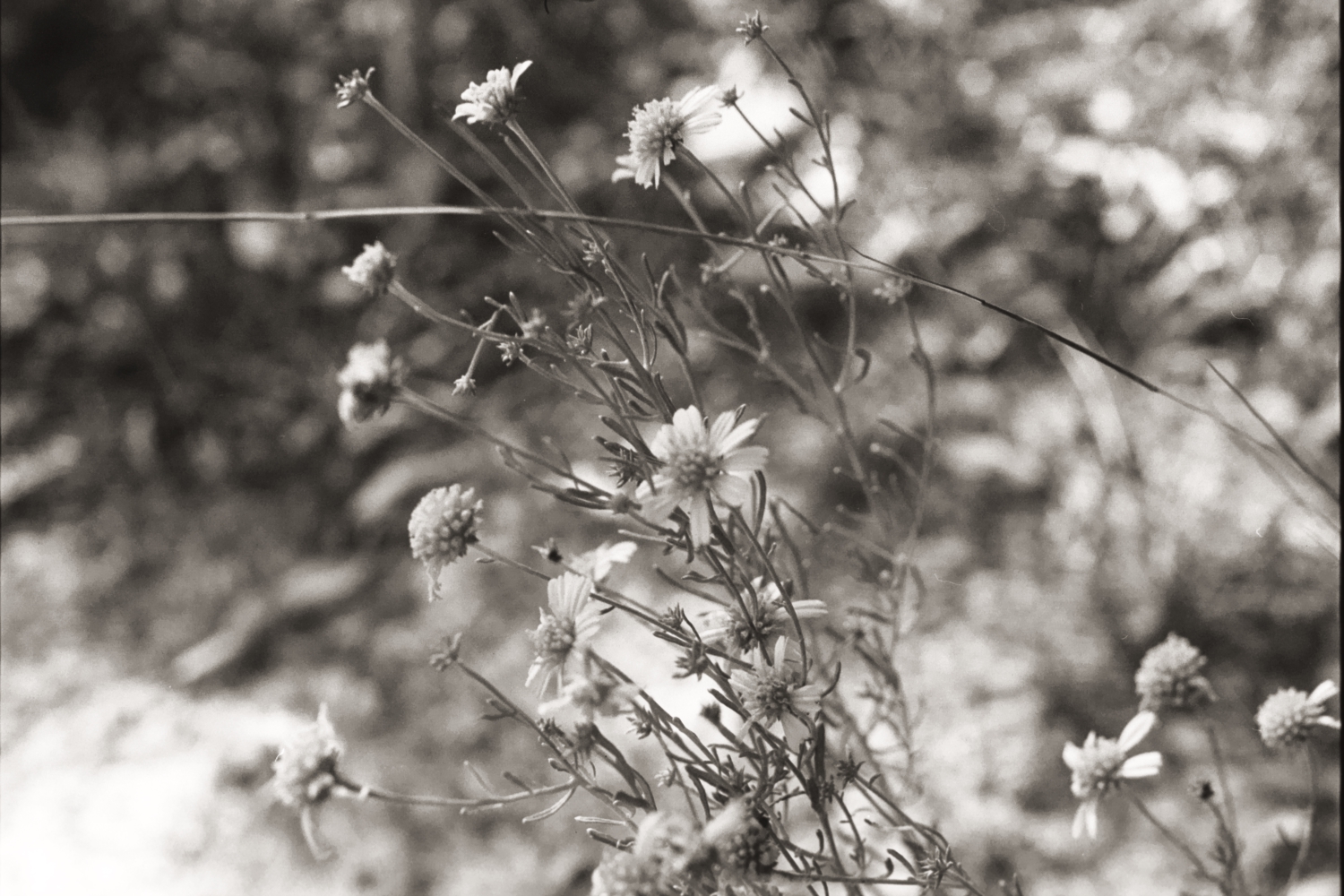
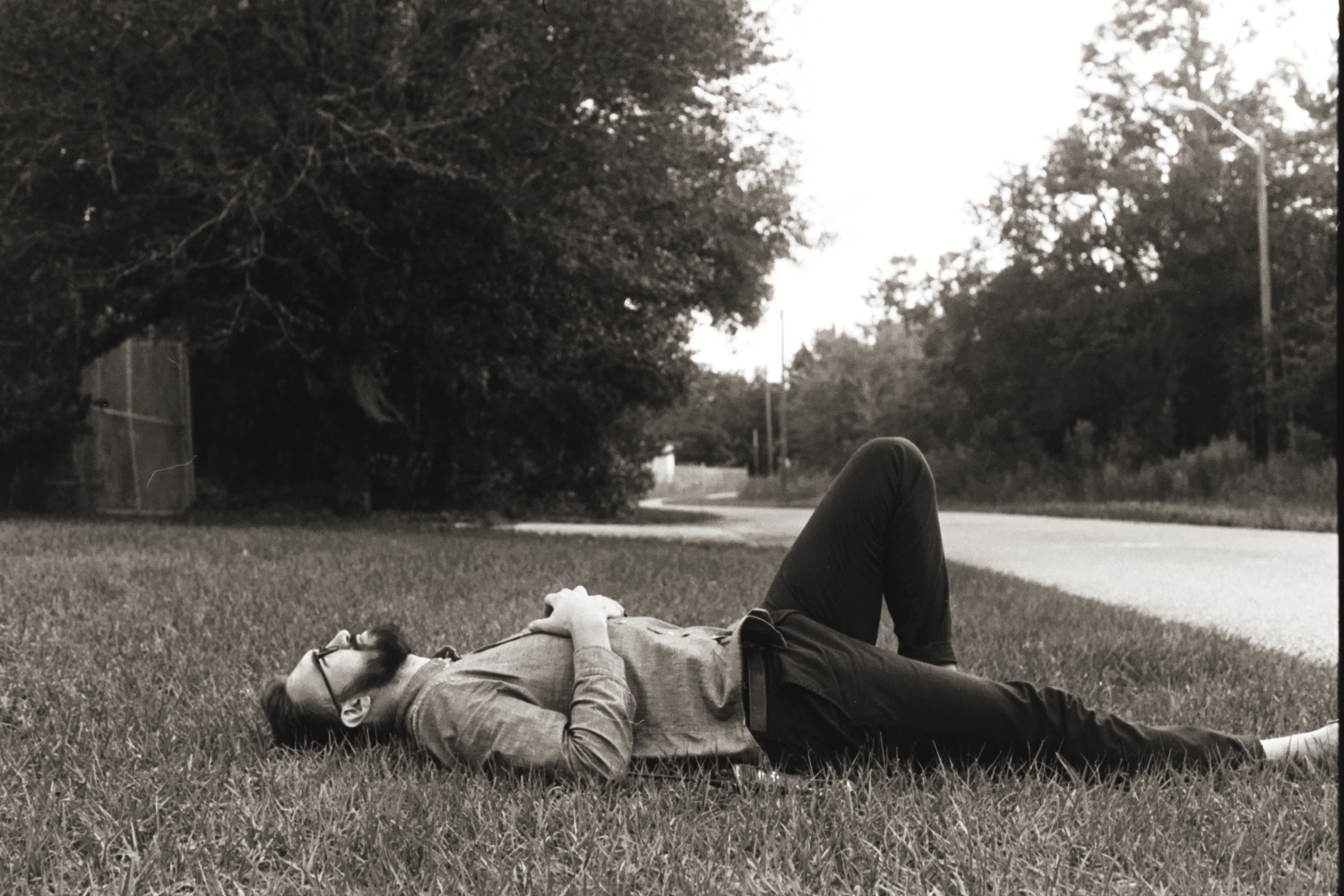
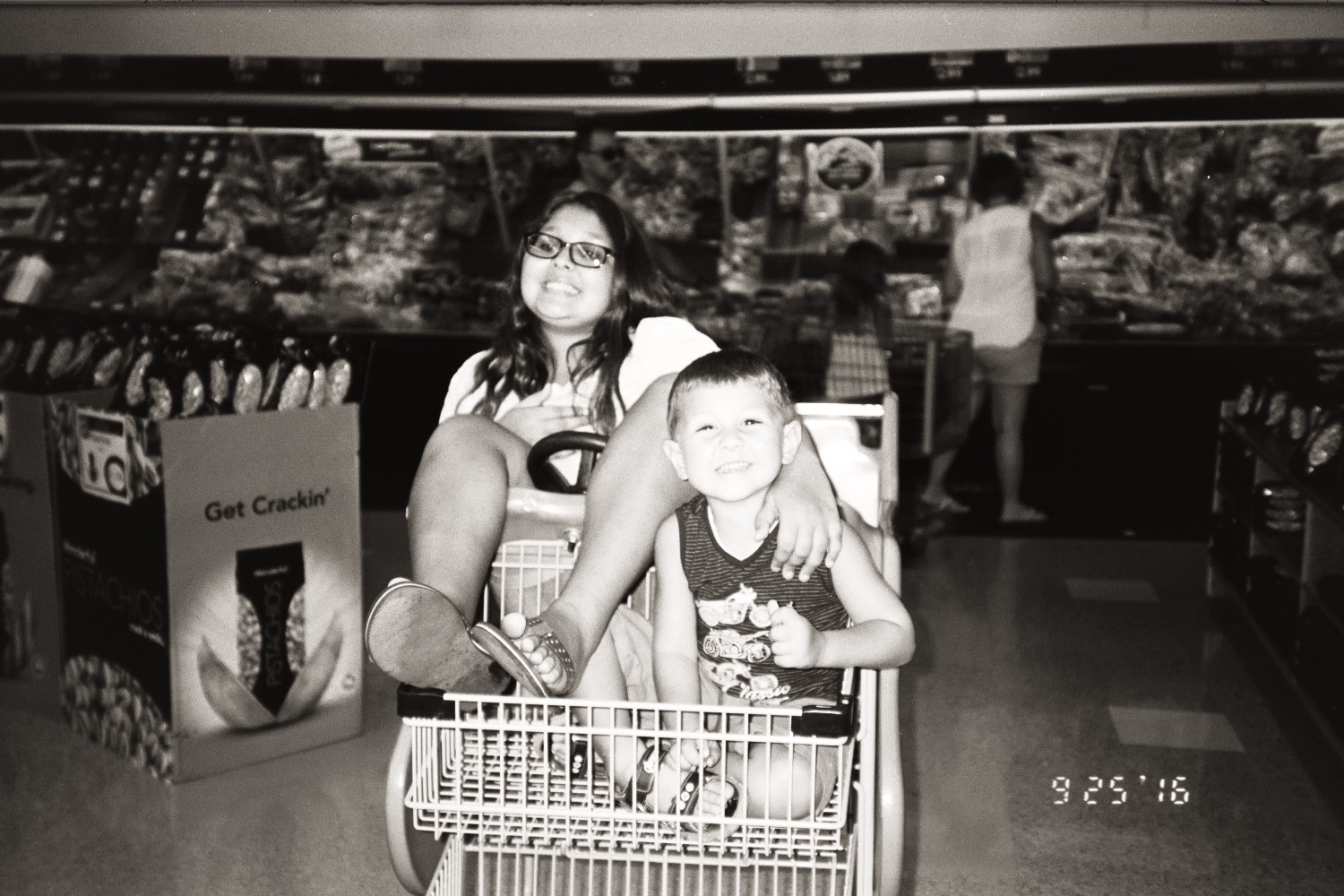
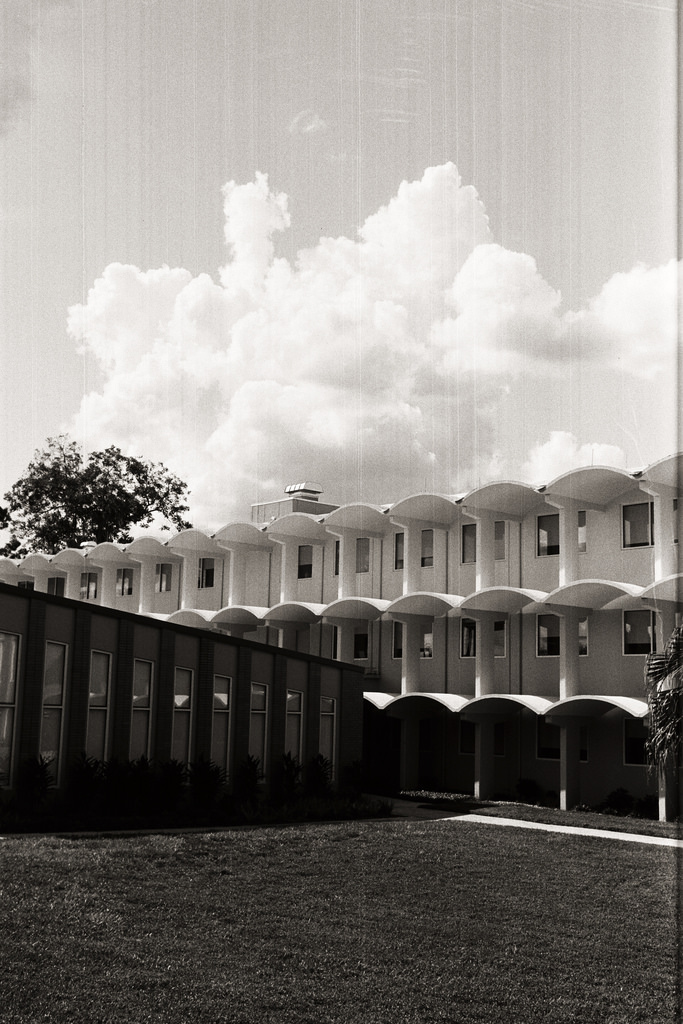
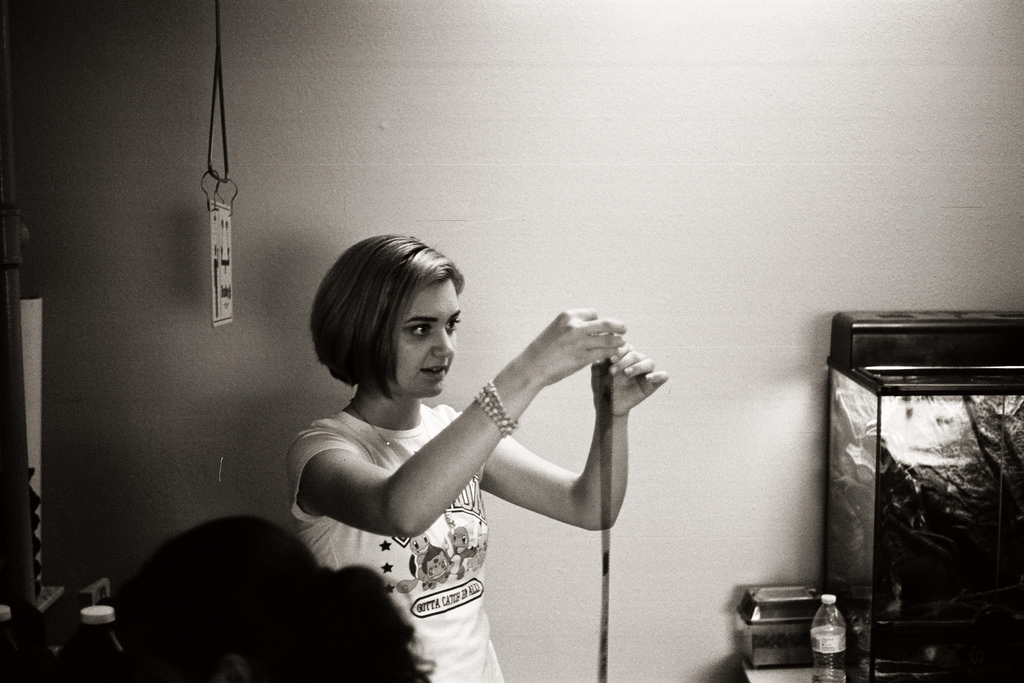
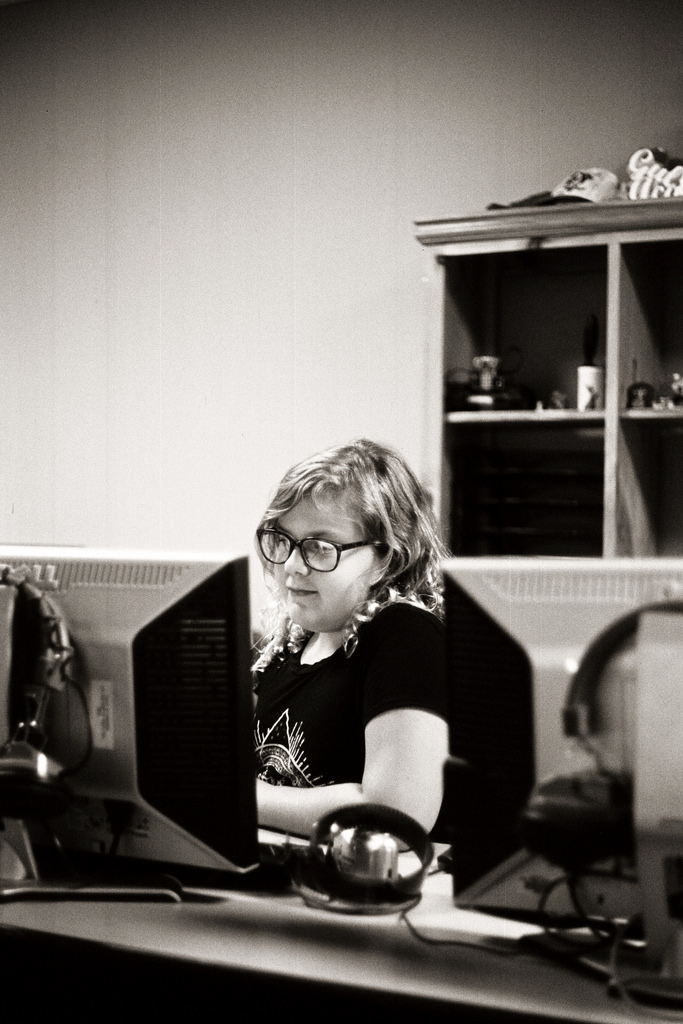
With the end of the black and white film club coming to an end for the year, I simply wanted to take a second to recognize and showcase some of the standout images that my students shot, developed, and scanned on their own.Some students were brand new to the club and as young as 11 years old, while some students were back for the third time and as old as 14 years old. Some students shot on point and shoots, while others shot on SLRs. Regardless of their equipment, these children not only took beautiful images, but I could see that a certain maturation had gone through them over the past 18 weeks.
Needless to say, I am extremely proud of these kids and hope that this is just the beginning of their photographic journey. Enjoy the images:
I recently stumbled upon one of the most bizarre places just a few miles from where I live. Nestled at the bottom of a hill behind a year-round Christmas House on the edge of downtown Brooksville, you will find 45 acres of abandoned affordable public housing between two different projects: Brooksville Villas and Hillside Estates.
While the Villas are rather destroyed and tagged with graffiti, the Hillside Estates are seemingly intact (maybe even livable?) minus the fact that all of the estates are boarded up. Needless to say, it is very eerie driving and walking through this neighborhood. A very Tim Burton type of feeling. To follow my curiosity, I decided to do some research, and well, the story is expectedly heartbreaking.
To keep it short, the 125 families that lived here beginning in 2010 had been kicked out of their living spaces just two years later in 2012 due to varying reports of reasoning. The Tampa Bay Times reported that the buildings were unsafe to live in and the building repairs cost more than their value. Others say that unstable management, misuse of FEMA funds, loan default by the management company, and the fact that the houses were basically built on a swamp were all reasons that the Brooksville Housing Authority was dissolved and the two housing ventures ended up failing and consequently still stand there vacant. The city of Brooksville owns the property which is appraised at $325,000, but would cost over $1 million to demolish. I guess it’s cheaper to let it die on its own while still maintaining the landscaping every couple of weeks.
As of 2014, the city of Brooksville considered the idea of turning the area into a dense residential area with a town center, however two years have already passed, and no word has been printed about it since.
It’s a depressing scene, to see these buildings that were once homes to 125 families just sit there vacant, but needless to say, it is an interesting place and another notch on Florida’s belt as weirdest and most depressing state in the country.
All images shot with Mamiya 6, 75mm f/3.5 on Kodak TMax 100. Scanned on Epson V700.
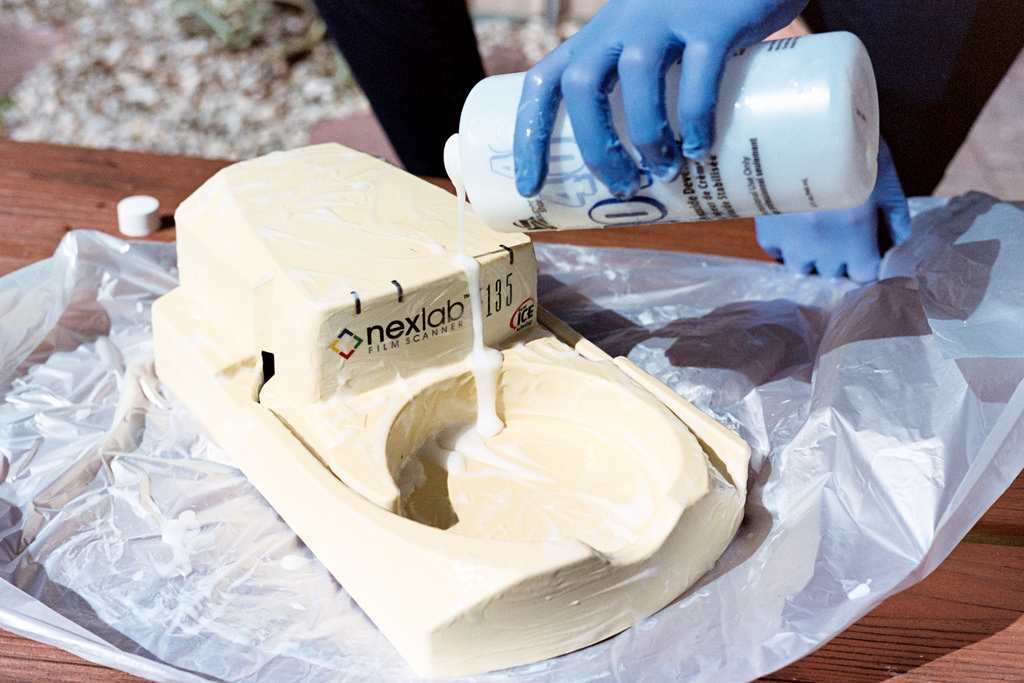
Have you ever noticed that some of those white/light plastics products you own have yellowed over time? Or perhaps, like me, you recently bought a used device from yesteryear, like a Kodak Pakon F-135 scanner. Most of these products are made of ABS plastic (known for its properties in resistance and toughness), and luckily the color of the plastic is in fact salvageable. A coworker of mine informed me about this process and his experiences with Retr0brite-ing older Mac computers. I was intrigued, curious, and figured that I had nothing to lose so as long as the scanner still functioned properly after I was done.
Admittedly, I didn’t follow all of the rules or completely follow one of the many tutorials on Youtube. We decided that we would sort of take the shortest, most efficient, but maybe not the most comprehensive route, so if you’re into a quick fix, this tutorial is for you. Besides, the discoloration, wasn’t that bad compared to some before/after shots I have seen from others. If you are all about doing things the right way, you may want to leave now before you cringe to death or want to tell me how terrible my process was. Trust me, I already know.
**Disclaimer, photos are a tad grainy. Time for a new batch of chemicals to be made.**
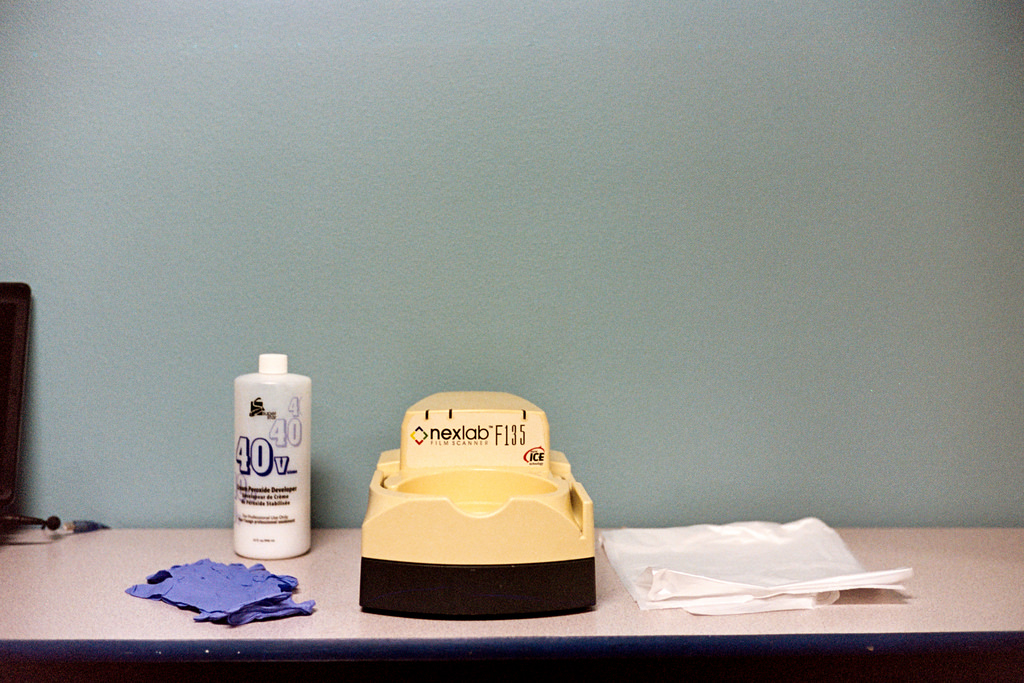
To start, this is what the Pakon looked like prior to the process with all of my materials besides the screwdrivers. The bottle of peroxide provides a good distinction of colors:
Voigtländer Bessa R3A // Portra 160, Materials for Retr0brite
As for materials to conduct the process, all you need is the following:
Some sort of liner to protect the surface (i.e. a garbage bag)
Gloves
About 2 hours of your time
To get started, you have to flip the Pakon over and remove the top case by removing a handful of screws, I think there were 6 or 8. The nice thing about taking the Pakon apart is that it was designed to be easily fixed by the photolabs that owned them. No disconnecting wires, no fragile parts directly in your way, nothing. I have had to take my Pakon apart quite a few times because of inconsistent Polling errors in the TLX software due to dust on the tiny film sensors. It’s a pain to do this every time it happens, but I’m looking into purchasing a dust cover in the near future. Anyhow, here is what the unit looks like after the top is off:
Voitländer Bessa R3A // Portra 160
Again, super easy. Time to take all the materials outside. Be sure to keep the screws in safekeeping in the meantime.
Voigtländer Bessa R3A // Portra 160
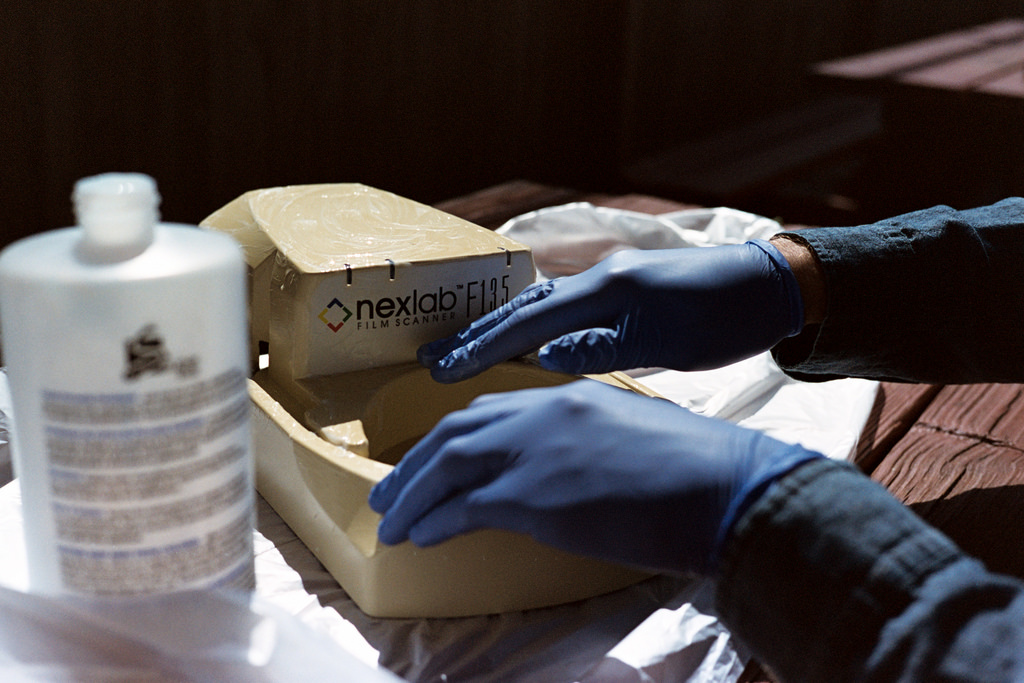
Once we got outside and all situated, the rest of the process was just as easy with a bit more periodic involvement. Basically all we did was pour a generous amount of peroxide on the case every 15-20 minutes or so. After pouring it on, we lathered it around for about 2-3 minutes, making sure to apply it evenly throughout the piece and turned it 90 degrees on the table each time. We let it sit for the remainder of the 15 minute increment. This was done not only produce a balanced color in the end, but to also prevent color scarring (see top image) since the peroxide was so highly concentrated. We did get a little bit of scarring in the final product, so we may try this process again with a less concentrated solution, perhaps 20 volume or so. I think I’m okay with the improvements I got from this single process. Minor note, I also tried to be careful around the film entries, but I didn’t bother covering them.
After an hour or so of doing this (we may have did an hour and a half), we cleaned up, rinsed off the top case in the sink with tap water and let it dry. We screwed it back on top of the base, and I couldn’t really complain about the result:
It’s not perfect, but it’s definitely an improvement. I get a little sense of pride every time I see the scanner on the shelf when I walk in the room. The change is slightly better seen in person, or maybe I am just color-biased every time I look at it.
Again, my process is in no way the “right way” of doing things, but if you get a result that you are happy with, I guess it doesn’t matter much. This blog was created with the goal of focusing on the process and not the result anyway.
If you have done something similar, I would love to hear about your experience. If you try out this process, I would also like to see how well yours turned out.
I recently picked up a Voigtlander Bessa R3A with a 40mm f/1.4 Nokton. I think I have finally found my end-game camera for 35mm shooting. Well, at least for now. I know many people say that the build quality and shutter sounds between the Bessa and the Leica M series are almost incomparable in the Leica’s favor, but I don’t think I’ll be jumping ship any time soon despite the fact that many people make the jump from Voigtlander to Leica. I am entirely satisfied with the sharpness of the lens and the comfort of the camera in my hands. The only issue I have had with the Bessa I picked up was that the film winding lever is a bit loose and flips out quite often. It ended up getting stuck while trying to advance the film and I ripped the film a bit, creating an accidental double exposure that has become one of my favorite images I’ve taken. Luckily, I didn’t have any issues ratcheting the film onto the development reel and had a successful development with the first roll from my R3A.
An issue I noticed on my last black and white roll (see photos in my last post) as well as this one, was a sort of horizontal banding that only showed up in my black and white film. I wasn’t sure if this was a Pakon issue or a development issue, but upon further investigation, it turns out I have been scratching my film pretty bad while squeegeeing it prior to hanging it to dry. I suppose the color film appears safe from these scratches due to the Digital Ice technology in the Pakon, but shows up on the monochrome film because you can’t use the infrared-based feature with black and white film, this leaving more imperfections than the C41 color film. Needless to say, I decided to pony up and buy a bottle of Photo-Flo so I do not have to risk severely scratching my film anymore.
As many of you know, I am a middle school teacher. I’m probably a bigger kid than most of my students and it’s probably why I enjoy my job so much. Middle school is such an awkward and odd age filled with hormones and creating your own identity. If there is one thing I hope my students leave with is not so much the content that I teach them, but the feeling of security in knowing that it’s okay to be your own person, love the things you enjoy doing, and being proud of who you are; never second-guessing your enthusiasm and expression for the things you love and care about.
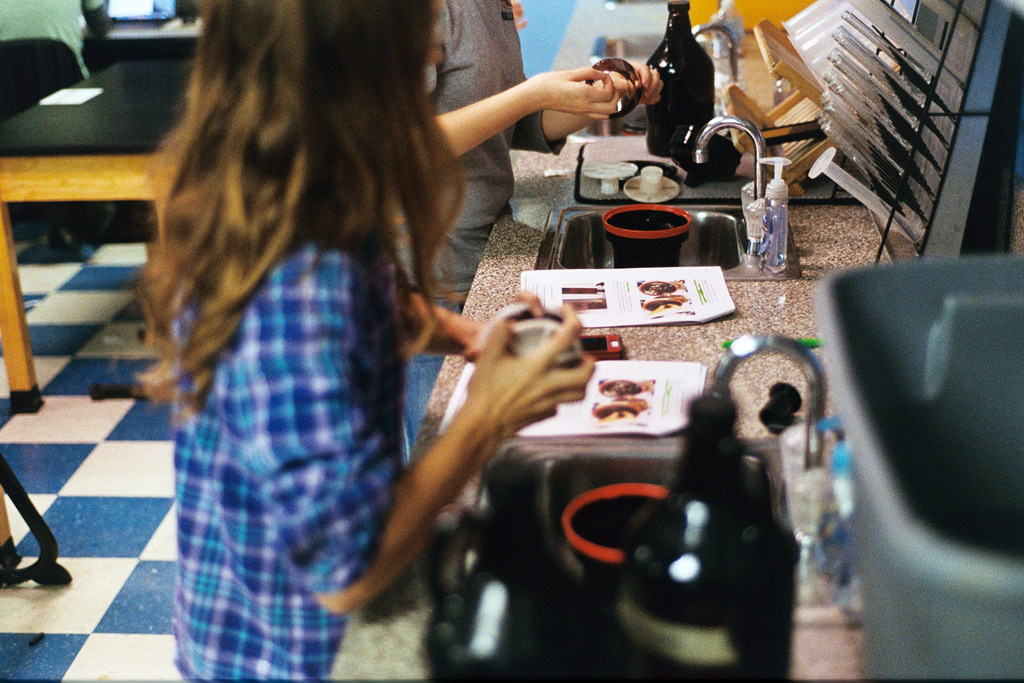
Every school year, I run an after-school film photography club for my students. I usually cap it off at about twenty students per year. I keep the numbers low because it’s more manageable and I want to make sure the each child gets enough of my attention. I separate them into two groups of ten and teach the first group for the first quarter of the school year and the second group during the second quarter of the year.
The students that take my class grow so much from their time shooting film, and every year it literally causes me to choke on my tears when I make a speech at their first gallery showing at the school just before the Holiday break.
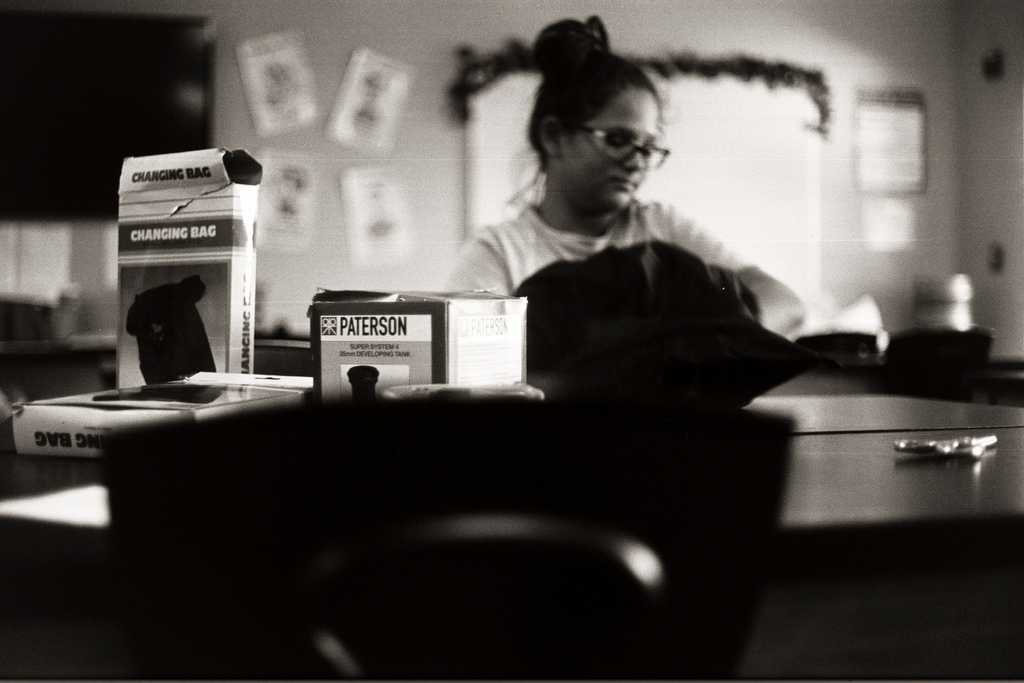
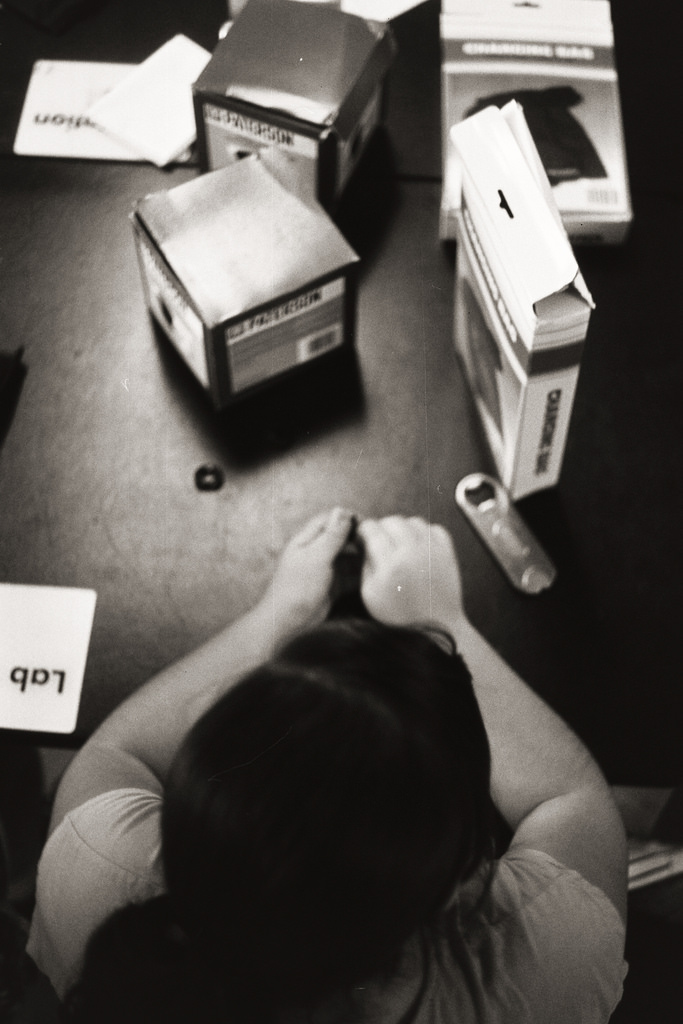
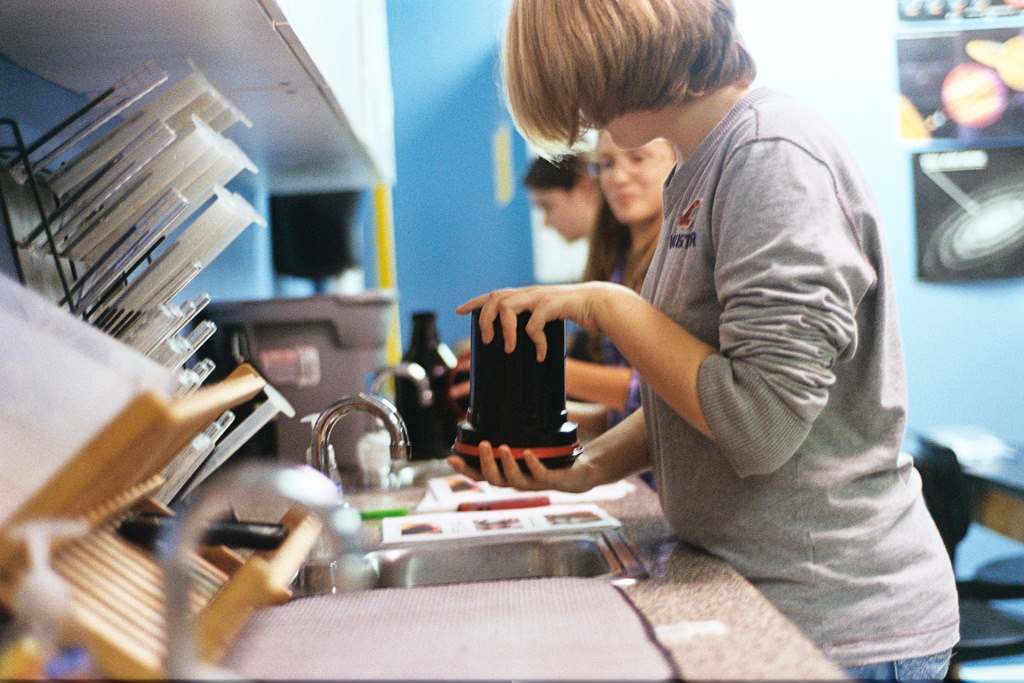
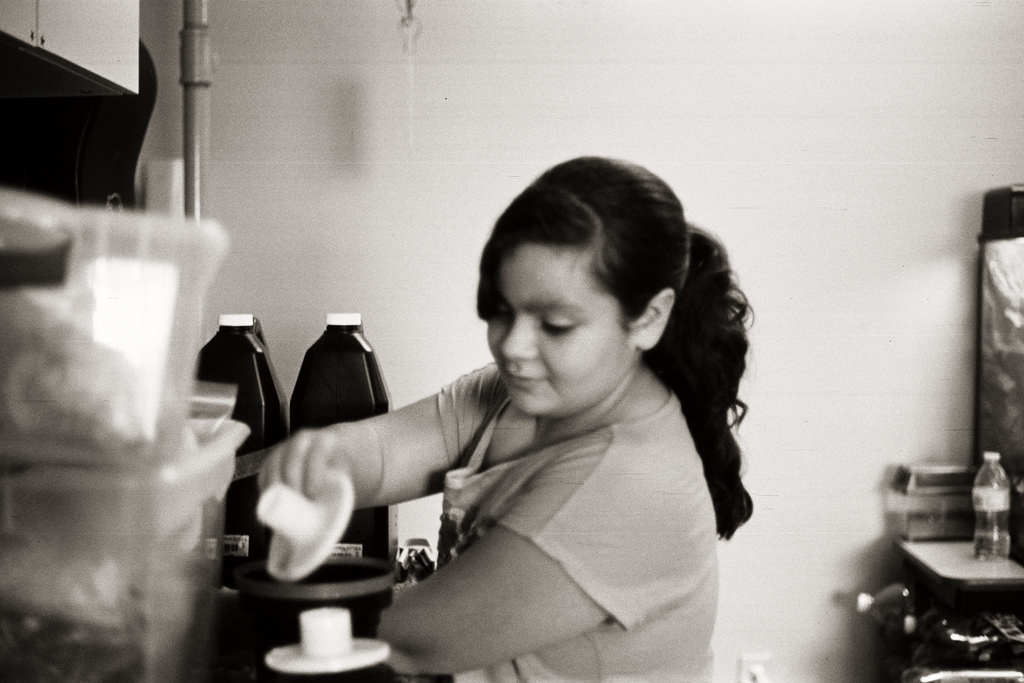
I prefer give my rookie students (usually sixth graders) point and shoot cameras and teach them some basic shooting concepts. I give my returning students (who basically become my teaching assistants) SLRs. The students are given weekly assignments on what to shoot each week before our next meeting. We all shoot black and white film and develop it in the school’s science lab. We use darkroom bags, Patterson tanks, Arista film and chemicals, and a Pakon F135 scanner to get the job done.
I must mention that NONE of this would be as successful as it is now without the help of Michael Raso of the Film Photography Project. The FPP has run features on my students in numerous episodes of their podcast, donated somewhere around sixty total cameras, and Michael continues to be a close colleague for both me and the students. So a thank you is definitely warranted to them. A thank you is also warranted to the local press who ran a feature of us last year as well. That article had a few awesome quotes from students on their time in the club.
I must say that there is no better feeling than seeing my students crack the reel and see their images on a strip of film for the first time. The amazement in their eyes and the look of fulfillment and relief on their faces is something I truly enjoy. Of course, not every student nails it their first time, but we all work and support one another to make sure we all get there eventually.
I know I am teaching the kids a lot in the nine weeks I spend with each group, but I feel like I learn and benefit way more. They push me to learn more so I can teach them more. It’s a shame I don’t have an arts degree, because there’s an adjunct opening for Photo 101 at the local Community College and it would be pretty cool to further my photography teaching experience in the evenings. But for now, this is more than enough to keep me happy.
Fujica ST605 // Arista 100Fujica ST605 // Arista 100Pentax ME Super // Kodak 200Pentax ME Super // Kodak 200Pentax ME Super // Kodak 200Fujica ST605 // Arista 100Fujica ST605 // Arista 100Fujica ST605 // Arista 100Fujica ST605 // Arista 100













 dylan barnes | blog